
Independent legal counsel for NIL Plus Group student-athletes and their families, from the first look at a club contract to the last NIL deal of a college career.

Every move from a European club to U.S. college basketball runs through the same checkpoints. Here is what happens at each one, and who handles it.
Joining the NCAA does not automatically cancel an existing club contract. Before anything else, we review the contract for buyout clauses, release terms, notice periods and outstanding obligations.
We act for the athlete in discussions with the club to reach a fair, documented release, and draft or review the buyout agreement. Leaving without following the proper steps can lead to disputes and affect future eligibility in FIBA competitions.
All pre-enrollment payments from clubs, federations, sponsors or agents must be disclosed to the NCAA, even when they were normal in the athlete’s home country. NIL Plus Group’s eligibility team manages certification; we make sure the buyout is structured and paid in a way that is consistent with eligibility requirements.
NIL Plus Group handles recruitment, coach outreach and university placement, and tells the prospective school about any existing club contract early.
We review the representation agreement, university revenue-share offers and NIL contracts, and explain terms, exclusivity, termination and payment structure in plain language.
Third-party NIL deals of $600 or more must be reported to NIL Go within five days. Deals must serve a genuine business purpose and pay fair market value. We help make sure agreements are specific enough to pass review.
A FIBA Letter of Clearance from the former club and national federation is needed to play in a FIBA-affiliated league after college. A clean, documented exit at step 2 is what makes this step straightforward.
Steps reflect FIBA’s Q&A Guide for International Players Exploring NCAA Basketball (July 2026). Rules change often; we confirm current requirements for each athlete.
Families in Belgrade, Zagreb, Ljubljana and across Europe ask us the same things. If your question isn’t here, ask us directly.
Email JerryUsually not for activity in the United States without special work authorization, such as Curricular or Optional Practical Training. There is no federal guidance written specifically for NIL and F-1 students yet, and NCAA approval of a deal does not mean the payment is allowed under immigration rules. We flag visa issues on every deal and bring in an immigration specialist when needed.
Athletes who are non-resident aliens for U.S. tax purposes are often subject to 30% withholding, unless a tax treaty between the U.S. and their home country reduces it. We identify the issue early and coordinate with a tax advisor on residency, treaty benefits and records.
The College Sports Commission reviews third-party NIL deals and has rejected hundreds of them, mainly for lacking a valid business purpose or for pay that doesn’t reflect fair market value. Vague agreements without clear obligations, timing and use of the athlete’s name and image are the most likely to fail. We review deals before they are signed so they are specific and defensible.
No. The club contract stays in force until it is ended under its own terms, usually through a buyout or a negotiated release. That is why the club contract is the first thing we review.
Yes. All pre-enrollment payments from clubs, federations, sponsors or agents must be disclosed to the NCAA during eligibility certification, even if they were standard where the athlete played.
It is FIBA’s confirmation that the former club and national federation have no objection to the player registering elsewhere. It isn’t needed to play in the NCAA, but it is needed to return to a FIBA-affiliated league after college, so the way a player leaves the club today affects their professional career later.
The athlete. His duties of loyalty and confidentiality run to the athlete, and NIL Plus Group has no right to direct his advice or see confidential information without the athlete’s consent.
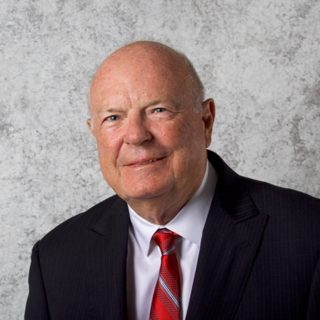
Independent legal guidance for international athletes entering U.S. college sports. J. Cureton & Associates, Inc. serves as independent legal counsel to student-athletes represented by NIL Plus Group, a Florida-based NCAA recruiting, NIL consulting and university placement agency. Through this collaboration, athletes and their families, many of them coming from Europe and other international markets, have access to a U.S.-licensed attorney who reviews their agreements, explains their rights and protects their interests at every key stage of their move to American college athletics.
NIL Plus Group handles recruitment, university placement, NCAA eligibility certification and NIL strategy for its athletes. J. Cureton & Associates provides the legal side of that process, independently.
Our role is not to represent the agency. It is to represent the athlete. When an athlete signs with NIL Plus Group, they gain access to counsel whose professional duty runs to them: to review contract terms, flag risks, answer questions in plain language and confirm that agreements are lawful and fair before they are signed.
We review the athlete’s representation agreement with NIL Plus Group, explain each obligation, and confirm its content and legality before signing as the athlete’s counsel.
We review university NIL licensing agreements, revenue-share offers, collective and third-party NIL contracts, and advise on terms, exclusivity, termination and payment structure.
Where engaged, we support the athlete in negotiating compensation terms with universities and NIL partners.
We advise on the rules that shape each deal, including NCAA and College Sports Commission requirements, state NIL and athlete-agent laws, and federal athlete-agent regulation.
We flag issues specific to international students, such as F-1 visa limits on NIL activity and U.S. tax implications, and coordinate with immigration or tax specialists where needed.
Athletes and families can bring questions to us throughout their collegiate career, not only at signing.
For many international athletes, the path to U.S. college basketball runs through their current club. Players under contract, or registered with a club and national federation, often need a formal release before they can compete in the NCAA. Getting this step wrong can delay enrollment or put eligibility at risk.
Club buyout services are engaged directly by the athlete (or their family) with J. Cureton & Associates, under a separate engagement letter.
Athletes and families working with NIL Plus Group, or clubs seeking to discuss a player’s release, can contact J. Cureton & Associates directly.